A Conversation with Advocate Lauren McDermott and Journey with Stiff Person Syndrome
A powerful interview with advocate Lauren McDermott, highlighting her eight-year path to an SPS diagnosis, her resilience in managing the disorder, and her mission to raise awareness for rare neurological conditions.
Srinitya Gurram
7/29/20253 min read
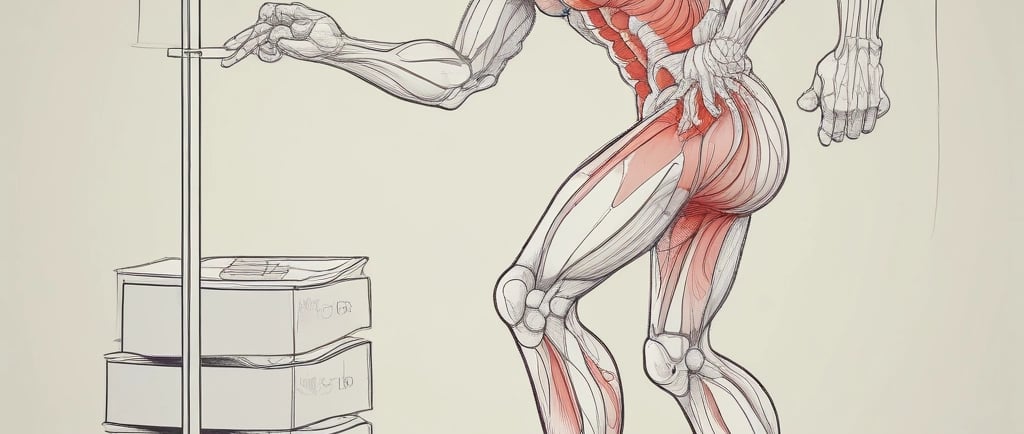
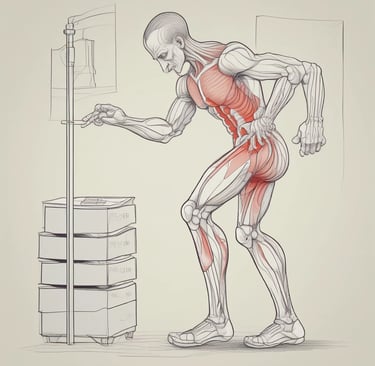
Lauren McDermott had no idea that it would take almost ten years to figure out the cause of her symptoms when she first started having inexplicable leg and back muscle spasms and stiffness.
In order to increase awareness of Stiff Person Syndrome (SPS), a disorder that most people, including many doctors, have never even heard of, Lauren, a strong advocate and voice in the rare disease community, is telling her experience.
We spoke with Lauren in our inaugural edition of The Brain Camaraderie Podcast about the difficulties of having SPS, how she was eventually diagnosed, and what she wants patients and medical professionals to know about managing uncommon neurological disorders.
“There were no words to express what was happening to me.”
Lauren's adventure started in 2011 when she started to experience an odd stiffness in her back that progressively got worse. She says, "I initially just felt like I was stiff from sleeping incorrectly or sitting for too long." However, the symptoms grew worse over time, including stiff limbs, painful spasms, and even times when she was barely able to walk.
Her symptoms didn't appear to fit a definite diagnosis, even after seeing several different doctors. She remembers that several of her labs and tests came back "normal." "They told me it was fibromyalgia, stress, or anxiety."
Her diagnosis of atypical Stiff Person Syndrome, a rare neurological illness that results in growing muscle stiffness and spasms due to disturbed nerve communication, came about in 2019 after almost eight years of doubt.
The Strength of Perseverance
Being heard is a challenge that many patients with uncommon diseases encounter, as seen by Lauren's diagnosis path.
"I want medical professionals to understand that a negative test does not necessarily indicate that there is no issue. Patients are aware of their body.
Lauren's struggles continued after receiving her diagnosis, although it did provide some clarity. She could now begin creating a care plan that took into account her actual condition.
She claims that there is no one-size-fits-all approach to that plan. Lauren uses a multimodal strategy that consists of cautious energy management, lifestyle modifications, physical therapy, and medication.
“On certain days, it's difficult to even cross the room.”
For Lauren, being aware of her body's limitations is key to controlling SPS. She might take a stroll or even go to a neighborhood event on a nice day. Even the most basic activities can seem hard on a bad day.
Fatigue is your body shutting down; it's more than just being tired. Everything must be planned around it.
Her mental health is also affected by SPS. The path includes genuine feelings of anxiety, loneliness, and sadness over her prior degree of freedom. On her terms, however, Lauren is dedicated to creating room for happiness, connection, and self-compassion.
Increasing Awareness and Modifying the Story
When music star Céline Dion disclosed her own diagnosis of SPS in late 2022, Lauren's tale gained even more attention. Lauren claims that it raised awareness of something that has long been hidden. "But we still have a lot to teach people."
She now speaks frequently to doctors, patients, and caregivers and works with groups like the SPS Research Foundation. Her objective? earlier diagnoses. more sympathetic treatment. as well as a change in the way we care for those with uncommon illnesses.
"Everything changes when you are believed. It's really important if a doctor pays attention, even if they don't know the solution.
Summary: “You're not alone.”
Lauren believes that people dealing with invisible illnesses may find her story inspiring.
"You don't have to have all the answers at once. However, keep asking questions. Speak up for yourself. And keep in mind that there are those who can relate.
Lauren's entire tale is told in Episode 1 of The Brain Camaraderie Podcast, which is currently accessible on YouTube and Spotify.